

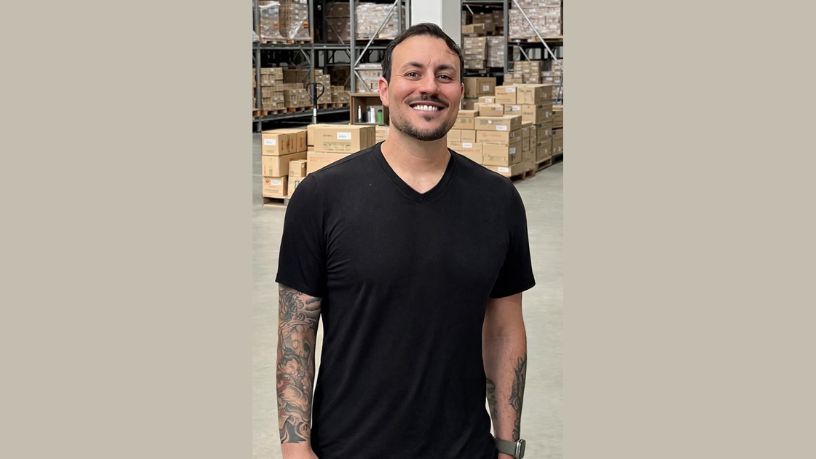
Expensive redeliveries, customers receiving out-of-stock notifications after they’ve already paid, and shipping deadlines being missed during the busiest sales periods—these issues almost always stem from the same source: a logistics operation that wasn’t designed to support multiple sales channels simultaneously. When a pet store begins selling through its own website, online marketplaces, and sometimes even a physical location, its logistics operation needs a solid structure, not just a dedicated team. Based on the experience of Hugo Galvao de Franca Filho, founder and director of Enjoy Pets, this type of operational restructuring tends to follow a similar pattern regardless of the size of the pet business undergoing the transition.
Unify Inventory Across All Sales Channels in Real Time
The first step is ensuring that the inventory displayed on your website, Mercado Livre, Shopee, and every other sales channel reflects the same real-time information, updated with every sale. Without this synchronization, the same product can be sold through multiple channels before the system recognizes the inventory change, leading to order cancellations and damage to the company’s reputation.
Achieving this typically requires a centralized inventory management system that integrates with every sales channel, rather than relying on separate spreadsheets or manual updates performed at the end of the day.
Establish Clear Priority Rules Across Sales Channels
When the same product sells simultaneously through multiple channels, there needs to be a predefined rule determining which order takes priority if inventory becomes limited. Leaving that decision to last-minute judgment creates inconsistencies and favors whoever raises the issue first internally rather than the customer who should legitimately receive priority.
Simple rules—such as prioritizing orders based on the date and time they were placed—are far more effective than subjective, case-by-case decisions. The key is to establish the rule before inventory conflicts occur, not after they arise.
Choose the Right Fulfillment Model for Each Channel
Not every sales channel requires the same fulfillment strategy. Sales concentrated within a specific geographic area may benefit from local inventory, while nationwide sales often depend on larger distribution centers and broader logistics partnerships.
Applying the same fulfillment model across every channel without considering these geographic differences often creates unnecessary costs, a point Hugo Galvao frequently emphasizes when discussing logistics strategies with other businesses in the pet industry. Hybrid fulfillment models—combining a primary distribution center with smaller inventory hubs in regions with higher demand—have become increasingly popular because they strike a balance between faster deliveries and operational efficiency.
Measure, Review, and Optimize Continuously
No logistics operation remains effective indefinitely without regular evaluation. Tracking metrics such as stockout rates, average delivery times by sales channel, and redelivery rates helps identify weaknesses before they become recurring customer complaints.
According to Hugo Galvao, this ongoing performance monitoring is what distinguishes a logistics operation that is implemented once and forgotten from one that evolves alongside the growth of the business—a difference that becomes especially apparent during seasonal peaks when order volumes increase significantly.
What Changes When Logistics Grow Alongside the Business?
A pet store that structures its logistics in this way stops reacting to problems and starts anticipating operational bottlenecks. The benefits become evident in everyday operations, with less rework, fewer canceled orders caused by inventory shortages, and customers receiving exactly what was promised within the expected delivery timeframe.
As Hugo Galvao de Franca Filho points out, this level of organization doesn’t eliminate unexpected challenges entirely, but it significantly reduces the likelihood that a simple communication breakdown between sales channels will turn into a real financial or reputational loss for the pet business.